

Homeowners · Coverage Gaps · Endorsements · Flood & Water
Common gaps in your home insurance coverage are usually not mysteries—they are standard exclusions and sublimits that surprise people only after a loss. Flood, sewer backup, earth movement, ordinance or law, jewelry and other special personal-property caps, business property in the home, and mold limits sit at the top of that list. This guide explains what a typical HO form often skips and the endorsement (or separate policy) path to close the hole—without promising that every rider is available on every address. Reading those gaps now, while the weather is calm, is far easier than learning them from an adjuster after water is already in the house.
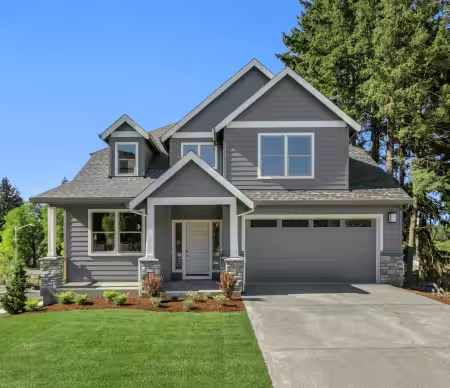
Most households buy a homeowners policy expecting it to cover “the house and what is in it.” That is roughly true for many sudden events such as fire, wind, or theft, but the policy is still a contract with exclusions, sublimits, and optional endorsements. The gaps below are the ones that surprise people most often after a loss, and each one has a different fix.
Form honesty: Homeowners forms vary by carrier and state. Examples below reflect common HO-3-style themes, not your exact policy. Always confirm wording with your agent and declarations.
1. Flood (and surface water) — usually not on the homeowners form
Flood is the gap that causes the most confusion because water damage on a homeowners claim can look similar to flood damage to someone standing in a wet living room. The difference is usually how the water arrived. Water that rises from outside, overflows from a creek or storm drain, or flows across the surface of the land is typically treated as flood. Water that suddenly escapes from a plumbing system inside the home is often analyzed under a different part of the policy.
Standard homeowners insurance generally excludes flood, including many overflow-of-inland-or-tidal-water and surface-water scenarios. Rising water from heavy rain, storm surge themes, and some backup-adjacent events are often pushed to a separate flood policy (National Flood Insurance Program or private flood), not fixed with a casual endorsement.
- Flood zones and “I am not in a high-risk zone” are not the same as “I cannot flood”
- Mortgage lenders in mapped high-risk areas often require flood insurance; voluntary purchase still makes sense in many moderate-risk spots
- Flood content and building coverage are selected deliberately—do not assume HO contents limits transfer
If you are shopping for flood coverage, ask separately about the building and your belongings, because those limits are chosen on purpose and do not automatically match your homeowners contents limit. Also ask about the waiting period before coverage starts. Buying flood insurance when a storm is already in the forecast is often too late for that storm, which is why the decision belongs in a calm month, not in a warning week.
Start here: flood insurance · flood insurance in Texas · flood insurance in Colorado.
2. Sewer and sump / water backup
Sewer and sump backup losses can devastate finished basements and ground-floor living spaces even when the street outside never looked like a river. Because the water often comes through a drain, toilet, or sump, people assume homeowners insurance will treat it like a burst pipe. Many forms do not. They treat backup through sewers and drains as its own exclusion unless you buy a water-backup endorsement.
Many homeowners forms exclude or sharply limit water that backs up through sewers or drains and sump-overflow losses—even when the water never leaves your lot. That is a different exclusion conversation from flood, and the usual fix is a water backup / sewer backup endorsement with its own limit (often a few thousand to tens of thousands, depending on the carrier).
- Ask what limit is available and whether it is inside or outside your dwelling limit
- Older laterals, trees, and city main issues make this a practical gap in both Texas suburbs and Colorado Front Range neighborhoods
- Utility-line or service-line endorsements (water/sewer/electric laterals on your property) are a related but separate shopping item
When you review a backup endorsement, convert the limit into a real repair picture. Ask what a finished basement or first-floor flooring job would cost in your area, and choose a limit that can actually help. A few thousand dollars may not go far after cabinets, flooring, drywall, and cleanup. Utility or service-line coverage for the lateral on your property is a separate conversation; do not assume one endorsement covers both the backup loss and a broken line under the yard.
3. Earth movement (and some post-event hillside losses)
Earth movement exclusions are written broadly on many homeowners forms. The label covers more than a dramatic earthquake. Landslide, mudflow, and certain settlement or subsidence themes can fall into the same family of wording. That is why a hillside loss after a burn scar, or a foundation dispute after heavy rain, can turn into a long argument about cause rather than a simple repair check.
Earth movement—earthquake, landslide, mudflow, mine subsidence themes, and similar—is commonly excluded on standard homeowners forms. A wildfire burn scar that later sheds mud is a classic “homeowners fire coverage may have responded to the fire, but earth movement may not pay the hillside follow-on” complication.
- Earthquake coverage is typically a separate endorsement or policy where offered
- Foundation and settlement disputes often turn on cause (plumbing leak vs. excluded earth movement)—document carefully
- Related reading: foundation damage and Texas home insurance
If earthquake coverage is available for your address, it is usually a separate endorsement or policy with its own deductible, often a percentage of the dwelling limit. Ask for the deductible in dollars so you know what you would pay before coverage starts. For foundation concerns that may involve plumbing leaks rather than earth movement, keep repair records and photos; cause documentation is often what decides whether a claim is covered.
4. Ordinance or law (code upgrades after a partial loss)
When a partial loss triggers current building-code upgrades—wiring, roof attachments, elevation, or energy requirements—your dwelling limit alone may not stretch to the extra cost of bringing undamaged portions up to code. Ordinance or law coverage (often available as an endorsement or built-in percentage) is the usual path.
Building codes change over time. After a partial loss, a city or county may require you to bring undamaged systems up to current standards when you repair the damaged portion. Wiring, roof attachment methods, elevation rules, and energy requirements are common examples. Without ordinance or law coverage, those upgrade costs can fall outside a simple “repair what was damaged” settlement.
Undervaluing rebuild cost plus weak ordinance/law is a double gap: you underinsure the structure and underfund the code bill. Review dwelling adequacy whenever material and labor costs jump. A short annual habit helps: ask what your dwelling limit assumes for rebuild cost, ask what ordinance or law percentage or dollar amount you carry, and ask whether either should change after a renovation or after a jump in local construction prices.
5. Jewelry and other special personal-property sublimits
Contents coverage on a homeowners policy is usually a blanket amount for unscheduled personal property, often tied as a percentage of the dwelling limit. Within that blanket, certain categories are capped at much smaller special limits. Jewelry is the classic example, but watches, furs, cash, firearms, and collectibles often sit in the same family of sublimits.
Unscheduled personal property usually has a blanket limit (often a percentage of dwelling), but categories such as jewelry, watches, furs, cash, firearms, and collectibles frequently carry small special sublimits unless you schedule them with appraisals or receipts.
Unscheduled homeowners contents
Good for everyday furniture and clothing; weak for a $15,000 ring sitting under a $1,500–$2,500 jewelry sublimit.
Scheduled personal property
Itemized valuables endorsement—often broader perils and agreed or stated amounts. Update after purchases and appraisals.
Scheduling an item means listing it on an endorsement, usually with an appraisal or receipt, so the policy can respond to that specific piece with a clearer limit and often broader protection. Update the schedule after major purchases and new appraisals. An outdated list can leave a new ring unprotected or keep you paying for an item you sold years ago.
6. Business property and the home office
Personal homeowners forms commonly limit business property on the premises (and off-premises) to modest sublimits—fine for a laptop, inadequate for inventory, tools, or client equipment. Home-based businesses may also need separate liability (businessowners policy or professional) that homeowners liability (often called Section II) never intended to provide.
Working from home has blurred the line between personal and business property. A laptop used for email is one thing; inventory for an online shop, client equipment, or expensive tools stored in a garage is another. Homeowners forms were not written as business insurance, so the sublimits are intentionally modest.
- Ask about business-property sublimits and available increases
- If you have employees, customers on site, or significant inventory, shop a business policy—not only an HO endorsement
Liability is the second half of the home-business conversation. If customers visit, employees work on site, or your work could cause a professional mistake claim, a homeowners liability section is rarely enough. A businessowners policy or a professional liability policy may be the right tool. Ask an agent to separate the property question from the liability question so you do not fix only one side of the risk.
7. Mold, fungus, and “resulting” damage limits
Mold limits became common on modern homeowners forms because mold remediation can be expensive and hard to contain once it spreads. Even when mold follows a covered water loss, the policy may still cap what it will pay for mold cleanup. Slow leaks behind walls are especially troublesome because damage can grow quietly before anyone notices a stain or smell.
Many modern homeowners forms cap mold (and related microbial) remediation—sometimes to a few thousand dollars—even when mold follows a covered water loss. Sudden plumbing bursts and slow leaks are treated differently; exclusions and sublimits are fact-specific.
- Mitigate promptly after any water event; documentation helps
- Ask whether higher mold limits or water-damage remediation packages are available on your form
- Do not assume “water is covered” means unlimited mold cleanup
Speed after a water event matters as much as the endorsement. Stop the source if you can do so safely, begin drying, keep receipts for mitigation, and photograph the damage. Those steps help the claim and often limit how far mold can travel. Ask your agent whether a higher mold limit or a water-damage remediation package is available on your form before you need it.
8. The endorsements path (how gaps actually get closed)
| Gap | Typical fix | Notes |
|---|---|---|
| Flood / surface water | Separate flood policy (National Flood Insurance Program or private) | Not a standard homeowners peril; shop deliberately |
| Sewer / sump backup | Water backup endorsement | Choose a limit that matches finish-out risk |
| Earth movement | earthquake / specialty where available | Not automatic after wildfire or storm |
| Code upgrades | Ordinance or law coverage | Pair with realistic dwelling rebuild |
| Jewelry / valuables | Scheduled personal property | Appraise and update lists |
| Home business property | homeowners increase and/or a businessowners policy | Liability may need its own policy |
| Mold caps | Higher limits / form options if offered | Prevention still matters most |
Read the table as a matching exercise rather than a shopping cart. Flood needs a flood policy. Backup needs a backup endorsement. Valuables need a schedule. Business exposures may need a business policy. Trying to stretch one homeowners endorsement across all of those problems is how gaps stay open. Bring your declarations page to an annual review and ask which rows on that table still apply to your address.
Colorado riders hub: Colorado homeowners insurance riders and endorsements. Broader overview: what homeowners insurance covers · home insurance.
Home insurance gaps are rarely mysterious once you know where to look. Flood, sewer backup, earth movement, code upgrades, jewelry sublimits, home-business property, and mold caps each have a clear name and a clear fix. Closing the ones that matter for your house is one of the highest-value conversations you can have with an agent before the next storm or plumbing failure.
Frequently asked questions
Does homeowners insurance cover flood?
Usually no. Flood is typically a separate policy. Do not rely on a homeowners policy for rising water or many surface-water events. If your mortgage lender requires flood insurance, that requirement is about the loan collateral, not a full statement of your personal risk.
Is sewer backup the same as flood?
No. Backup through sewers/drains is often its own exclusion fixed with a water-backup endorsement; flood is usually a separate policy. Ask for the backup limit in dollars and whether it applies in addition to your dwelling coverage or inside it.
Will my jewelry be fully covered?
Often only up to a small special sublimit unless scheduled. Appraise and endorse high-value items. A schedule is only as good as the list and values on it, so update it after purchases and appraisals.
What is ordinance or law coverage?
It helps pay code-required upgrades after a covered partial loss when rebuilding to current standards costs more than simply repairing like-kind materials. Pair it with a realistic dwelling rebuild estimate, because code upgrades on an underinsured house still leave a shortfall.
Can one endorsement fix every gap?
No. Flood, earthquake, backup, valuables, and business exposures are different tools. Match the endorsement or companion policy to the risk. An annual gap review with your declarations page in hand is the practical way to keep the right tools in place.
Do HO-3 and HO-5 policies have the same gaps?
Mostly. An HO-5 usually covers belongings on an open-perils basis, while an HO-3 covers them only for listed perils, but both typically exclude flood, earth movement, wear and tear, and sewer backup unless you add an endorsement, and both have special limits on items like jewelry and cash.
What are typical special limits for valuables?
Policies often cap certain items regardless of your personal property limit. The Texas Department of Insurance gives common examples of $100 for cash, $2,500 for business property, and $500 for jewelry and watches. Schedule valuable items to cover them fully.
