

Texas · Multi-Policy · Home + Auto
Bundling home and auto insurance in Texas can unlock a multi-policy discount and simplify renewals—but “cheapest bundle” is not the same as adequate coverage. Shop apples-to-apples on limits, deductibles, and exclusions. This educational guide explains how bundles work in Texas.
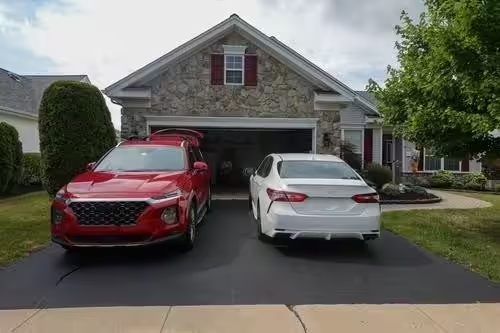
Bundling is one of the most common ways Texas households look for savings on insurance, and for many families it makes good sense. Having your home and vehicles with the same insurance company can mean a discount, one renewal schedule, and one place to call when something goes wrong. Still, the value of a bundle depends on what is inside it. A package that saves money by lowering coverage limits or raising deductibles may cost far more after a claim than it saved on premiums. This guide explains how bundles work, what to compare, and when a bundle is, or is not, the best choice for your household.
About save-% claims: Multi-policy credits vary by carrier, ZIP, credit-based insurance score where allowed, claims history, and the coverages you select. Anyone promising a fixed “save 40%” without your application is marketing—not a quote.
1. What a home + auto bundle actually means
In practice, bundling means one insurer (or one agency package) writes both your homeowners (or renters/condo) policy and your personal auto policy, then applies a multi-policy discount where available. Benefits can include:
- A documented multi-policy credit on one or both policies
- Single agency relationship for claims and renewals
- Easier packaging of umbrella liability on top of both
Tradeoffs exist: the best auto rate alone might come from a carrier that is weak or unavailable for your home—and the reverse. An independent agency can compare bundle vs. split-carrier options.
An independent agency works with several insurance companies, which makes it possible to compare a bundle from one company with separate policies from two different companies. That comparison matters in Texas, where some companies are more selective about which homes they insure in hail-prone or coastal areas, and others focus more heavily on auto insurance. Seeing both options side by side helps you decide whether the bundle discount truly outweighs the differences in coverage and price.
2. Texas framing: weather, traffic, and underwriting appetite
Texas risks shape both sides of the bundle:
Home side
Hail, wind, roof age, coastal or wildland-urban interface territory, and claims history heavily influence homeowners pricing. See factors that raise Texas home costs.
Auto side
Vehicles, drivers, garaging ZIP, commuting, and violations drive auto rates. Minimum liability is not the same as protecting assets—review Texas auto coverage basics.
Garaging location means the address where your vehicles are usually parked overnight, and it affects auto rates because traffic, theft, and weather risks vary by area. Your driving record, the age and experience of each driver, and the vehicles you own also shape the premium. Each of these factors is considered separately from your home, which is why a company that prices your home well may not price your vehicles as competitively.
A bundle only helps if both policies are ones you would actually buy. Do not gut dwelling limits or drop needed auto coverages just to chase a multi-policy line item.
3. Shop apples-to-apples
| Match these | Why it matters |
|---|---|
| Liability limits (auto bodily injury and property damage; home liability) | Lower limits look “cheaper” and are not a fair comparison |
| Home deductible and roof settlement terms | Hail-heavy Texas ZIPs make deductible and replacement cost and actual cash value roof wording critical |
| Auto deductibles and uninsured and underinsured motorist / medical payments or personal injury protection choices | Optional coverages change premium and claim outcomes |
| Replacement cost vs. actual cash value on dwelling/personal property | See replacement cost value vs. actual cash value |
| Same drivers, vehicles, and home characteristics | Mismatched applications produce meaningless “savings” |
Each row in that table addresses a common source of confusion. Replacement cost value pays to repair or replace damaged property with similar materials, while actual cash value subtracts an allowance for age and wear, which can make a large difference on an older roof. Uninsured and underinsured motorist coverage helps protect you when the at-fault driver has no insurance or too little, and personal injury protection and medical payments coverage help with medical costs after an accident. When one quote includes these coverages and another leaves them out, the lower price may simply reflect less protection. Matching every row gives you a fair comparison.
4. Multi-policy discounts—and other real credits
Carriers may stack credits when you qualify. Common categories (availability varies):
- Multi-policy / multi-vehicle
- Protective devices (alarms, monitored systems) and newer roofs where filed
- Good driver / claims-free history
- Paperless, autopay, or paid-in-full (administrative, not risk credits)
- Good student or driver training where eligible
Some of these credits relate to risk, such as a newer roof or a clean claims history, while others are administrative, such as paying in full or enrolling in automatic payments. Both can lower your premium, but the amounts differ from one company to another and are based on rates each company files. Asking for a quote that lists each discount separately lets you see where the savings come from and confirm that you qualify for every credit shown.
Ask for the credit to appear as a line item on the quote. Do not rely on blog or ad percentages. Practical premium hygiene without fake numbers: how to lower home insurance premiums.
5. When bundling is—and isn’t—the right move
- Strong when the same market prices both risks competitively and the multi-policy credit is real on the worksheet.
- Weak when you stretch into a carrier that underinsures the home (low dwelling limit) or auto (thin liability) to “win” the bundle.
- Revisit after life changes — new roof, teen driver, move, or claim can flip which package wins.
- Consider umbrella once home and auto liability limits are solid; bundling often makes umbrella placement cleaner.
An umbrella policy adds an extra layer of liability protection above the limits on your home and auto policies. It can help if a serious accident or injury leads to a claim larger than your underlying coverage. Many umbrella policies require certain minimum liability limits on the home and auto policies, which is one reason bundling can make adding an umbrella easier. Reviewing your bundle after major life changes, such as buying a new home, adding a teen driver, or replacing a roof, helps make sure the package still fits your needs.
A home and auto bundle can be a smart way to save money and simplify your insurance in Texas, but only when both policies provide the coverage you need. Compare equal limits, deductibles, and optional coverages, ask for each discount to appear on the quote, and weigh a bundle against separate policies from different companies. Revisit the choice after major life changes. A licensed agent can help you compare options side by side and choose the package that best protects your home, vehicles, and savings.
Frequently asked questions
Is bundling always cheaper in Texas?
No. Sometimes a split-carrier pair beats a weak bundle. Compare equal coverage, then look at the multi-policy credit. The goal is the best combination of coverage, service, and price, not simply the largest discount.
Will bundling raise my home deductible automatically?
It should not—unless you agree to a different deductible to change premium. Keep deductibles intentional, especially for hail. Review the deductible on every quote, and make sure you could pay it after a storm.
Can I bundle renters or condo with auto?
Often yes. Multi-policy credits are not limited to HO-3 homeowners forms (the most common standard homeowners policy form); ask what the carrier files for renters/condo. Renters and condo owners can often benefit from the same convenience and discounts as homeowners.
Do you guarantee a 40% savings?
No. Fixed save-percentage ads are not quotes. Your application, ZIP, and coverages drive the number. A personalized quote based on your actual details is the only reliable way to see what you would pay.
Where should I start?
List vehicles/drivers and a realistic dwelling rebuild target, then request side-by-side quotes. Guides: buying home insurance in Texas. Having your current declarations pages ready makes it easier to match coverage on each quote.
Who has the best bundle insurance in Texas?
The best bundle is the one with the right coverage at the lowest combined price for your home and cars, and that varies by household. Compare the bundled price with buying home and auto from different companies, using the same limits and deductibles.
Why should Texans bundle insurance?
Bundling can lower your total premium through a multi-policy discount, simplify billing and renewals, and sometimes give you a single deductible when one storm damages both your home and car. It isn’t always cheaper, so get both quotes.
