

Colorado Home · Electrical Panel · Safety Upgrades vs Claims
Typically not covered as a maintenance or code upgrade—sometimes covered when a covered peril suddenly damages the panel. Replacing an aging breaker box, adding capacity for an electric vehicle charger, or meeting a home-sale inspection note is usually on you. Fire, lightning, or other sudden accidental damage that destroys the panel can open a dwelling claim after the deductible. This is educational insurance framing—not electrical code, permitting, or do-it-yourself wiring advice. Separating a planned capacity upgrade from a sudden covered loss is the clearest way to know whether a claim conversation even belongs on the table.
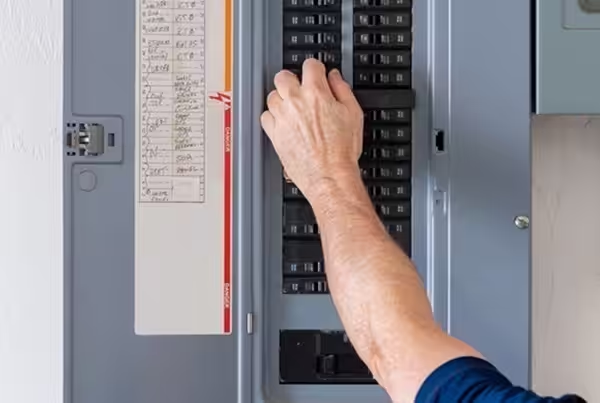
Front Range and mountain sale inspections routinely flag panels that are old, undersized, or from brands electricians no longer trust. That flag is useful homeownership information—and it is almost never a covered peril by itself. Treat the electrician’s estimate as a remodel or closing-cost line item unless a fire, lightning strike, or another sudden accident already damaged the equipment.
Not a claim promise / not code advice: Hire a licensed electrician for panel work. Policy language, cause-of-loss, and exclusions decide claims. We do not market fake fixed-percent savings. Dwelling context: dwelling coverage in Colorado.
1. Maintenance upgrade vs sudden covered damage
| Situation | Typical treatment (high level) |
|---|---|
| Panel damaged by fire, lightning, or another covered peril | Often claimable under dwelling (Coverage A) after deductible—document the sudden event |
| Old breakers, rusted enclosure, or known defective brand flagged at inspection | Usually wear, deterioration, or maintenance—not a peril the policy replaces on demand |
| Upgrade for electric vehicle charger, hot tub, or “more amps for the remodel” | Homeowner improvement / code project—fund it yourself |
| Power surge that fries the panel from a covered lightning event | May be covered; surge from utility issues or equipment failure can be more nuanced—ask your agent |
Reading the table row by row keeps expectations honest. Capacity for an electric vehicle charger, a hot tub, or a kitchen remodel is an improvement project you schedule and pay for. A panel melted by lightning or destroyed in a covered fire is a dwelling repair conversation after the deductible. Mixing those stories in the claim notice wastes time and can look like you are asking the carrier to fund a planned upgrade.
2. Safety upgrades are not the same as a claim
Carriers write homeowners forms around sudden and accidental damage, not around bringing every aging component up to today’s preferred practice. An inspector’s “replace this panel” note describes condition and marketability. It does not create a claim number the way a lightning strike that leaves visible burn marks does.
Why carriers decline “old panel” claims
Homeowners forms exclude wear, tear, inherent defect, and gradual deterioration. An inspector saying “replace this panel” describes condition—not a sudden accident.
When a claim story can exist
A fire that destroys the panel, lightning that melts the bus, or a covered peril that forces replacement as part of dwelling repairs is a different fact pattern. Cause comes first.
- Do not wait on a claim decision to address a hazardous panel—life safety comes first with a licensed electrician
- Keep invoices and photos if a sudden event damaged the panel; they help the adjuster
- Endorsements overview: Colorado homeowners riders
When life safety is at stake, hire the licensed electrician first and open the claim second if a covered peril was involved. Waiting for an adjuster before addressing sparking, heat, or smoke smell is the wrong order. Photos, invoices, and a clear description of the sudden event help the adjuster; a vague request for “a new 200-amp service because the house is old” usually does not.
3. Colorado practical notes
Colorado’s mix of older housing stock, wildfire-adjacent communities, and summer lightning makes panel condition a recurring closing topic. Surge protection and clear cause-of-loss photos matter after storms. They do not turn a voluntary amp upgrade into a reimbursable claim. When a covered fire forces a modern panel as part of restoring the dwelling, replacement-cost versus actual cash value wording and ordinance-or-law endorsements can change how much of the code-driven work is paid.
- Sale/refinance inspections commonly list panel upgrades—budget them as closing or remodel costs, not insurance recoveries
- Wildfire and lightning exposure in parts of Colorado raise the importance of surge protection and clear cause-of-loss documentation—not automatic panel replacement coverage
- Dwelling limits and replacement-cost vs actual cash value wording matter when a covered fire requires a modern panel to restore the home
- Related dwelling page: Colorado dwelling coverage · coverage overview: homeowners coverage
Ask your agent to point to dwelling (Coverage A) language and any code-upgrade endorsement before you assume the carrier will fund every code change a permit office requires after a covered loss. Those endorsements are limited tools tied to a covered repair, not a blank check for whole-house electrical modernization.
4. Steps if you think a covered peril damaged the panel
How you report the loss shapes the file. Lead with the peril—fire, lightning, a covered sudden event—then describe the panel damage. Leading with “I need a new panel” invites a maintenance conversation. Coordinate licensed repair with the adjuster’s scope so temporary power and permanent replacement stay aligned with what the form allows.
- If there is any smell of smoke, sparking, or heat—evacuate and call emergency services / a licensed electrician; safety first
- Photograph visible damage before major demo when it is safe
- Report the peril (fire, lightning, etc.) to your agent—not “I need a new panel”
- Ask what deductible applies and whether related wiring/smoke damage is included
- Coordinate licensed repair with the adjuster’s scope; code upgrades required to restore after a covered loss can be a separate conversation with the carrier
Keep a simple claim diary: date of the event, who you called, claim number, deductible quoted, and whether related wiring or smoke damage is in the scope. That diary is more useful than a pile of texts when questions arise weeks later.
If you are buying a Colorado home and the inspection lists a panel upgrade, budget it as a negotiated repair or post-closing project—not as something homeowners insurance will reimburse because the inspector wrote it down. Pair that budget talk with a licensed electrician’s safety assessment so closing pressure does not push you into unsafe temporary wiring.
Frequently asked questions
Does Colorado homeowners insurance cover electrical panel replacement?
Usually not for age, capacity upgrades, or inspection requirements. Sudden damage from a covered peril may be covered after the deductible. Ask the adjuster to confirm in writing whether the cause of loss is a covered peril before you authorize a full service upgrade that goes beyond restoring what the peril damaged.
Will insurance pay to bring my panel up to current code?
Ordinance-or-law / code-upgrade endorsements sometimes help after a covered loss. A voluntary upgrade with no covered peril is typically not paid as a claim. Ordinance-or-law limits are usually capped; read the endorsement dollar amount rather than assuming every permit-driven change is included.
What if my panel is a known problematic brand?
Known defect and wear issues are generally maintenance. Ask a licensed electrician about safety; do not treat a blog post as a claim strategy. Document the brand and the electrician’s safety recommendation for your own remodel file; that paperwork helps a sale or refinance even when it is not a claim.
Is lightning damage to a panel covered?
Often yes when lightning is a covered peril and damage is sudden—subject to deductible and any surge-related details on your form. Photograph burn marks, melted components, and any surge path when it is safe, and keep the electrician’s cause statement with the claim file.
Is this electrical advice?
No. This page explains insurance themes only. Panel work belongs with licensed professionals and local code authorities. Local permitting and licensed electrical work remain separate from anything this insurance overview can decide for you.
How much does it cost to replace an electrical panel in Colorado?
Costs vary with the panel size, whether the service needs upgrading, permits, and local labor rates. Get written bids from licensed electricians, and ask whether a utility or permit fee is included.
Can a homeowner in Colorado replace an electrical panel?
Panel replacement typically requires an electrical permit and inspection, and the work is dangerous. Check with your local building department before doing any of it yourself. Most homeowners hire a licensed electrician, and unpermitted work can complicate a future insurance claim or home sale.
