

Tennessee · Home & auto · Multi-policy
Bundling home and auto insurance in Tennessee means placing more than one personal line with the same carrier (or coordinated package) so underwriting, billing, and account credits can work together. A multi-policy credit is a rating factor some carriers apply when eligible lines stay in force together—it is not a coupon code and not a guaranteed household savings rate. This guide explains how multi-policy packaging works conceptually for Volunteer State households — homeowners, renters, and auto.” Educational only; quotes vary by carrier, ZIP, and risk. The honest test is always the all-in price of both policies with matching limits and deductibles.
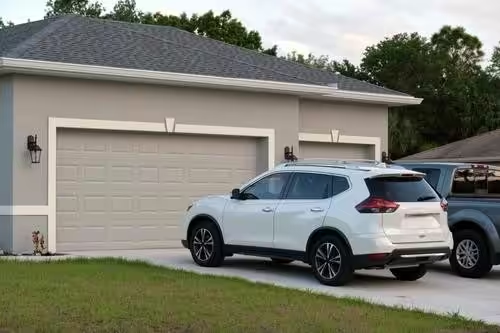
Carrier ads sometimes highlight best-case package credits. Your credit — if any — depends on which lines qualify, minimum premiums, and current filed rules. We will not claim a universal household savings rate. Ask for the credit to appear as a line item on each quote.
1. What “bundle” means in practice
In personal insurance, bundling usually means:
- You buy auto and a property policy (homeowners HO-3, condo HO-6, or renters HO-4) from the same carrier. HO-3 is a common owner-occupied homeowners form; HO-6 is a typical condo unit-owners form; HO-4 is renters coverage for personal property and liability.
- The carrier applies a multi-policy / package account credit where eligible
- You may share one bill, one renewal cycle, and one claims phone tree — convenience that is separate from any credit
It is not a single blended policy that magically covers cars and houses under one form. Each line still has its own declarations, deductibles, and exclusions.
Declarations pages still list each policy’s limits, deductibles, and named insureds separately. Packaging changes how the account is rated and billed; it does not erase the need to read what each form actually covers after a hailstorm, fire, or crash.
Convenience—one bill, one renewal date, one claims phone tree—has real value for some households even when the package credit is modest. Convenience is still not a reason to accept thinner liability or a deductible you cannot pay. Price the coverage you actually want, then see whether packaging helps.
2. How multi-policy credits typically work (conceptually)
Most carriers treat package credits as a rating factor, not a coupon code:
- Both (or all) policies must be in force with that insurer
- Named insured / household rules must match the carrier’s eligibility
- Credits can apply to auto, property, or both — designs differ
- Dropping one line mid-term can remove the credit at the next rating event
- A “cheap” stand-alone auto quote from Carrier A can still beat a packaged offer from Carrier B after you add home — or the reverse
Independent agents compare those all-in outcomes rather than chasing a brochure maximum. Tennessee discount context (many levers, not just package): car insurance discounts in Tennessee.
Named insured rules matter because the people listed on the auto policy and the property policy must usually fit the carrier’s household definition for the credit to apply. If one spouse is on auto and a different household arrangement appears on home, ask before you assume the package credit will stick.
3. Home + auto for Tennessee homeowners
Owner-occupied households often package HO-3 (or similar) with personal auto. Beyond any package credit, packaging helps you:
- Align liability limits so an umbrella conversation is cleaner later. A personal umbrella sits above underlying auto and home liability once those limits meet the carrier’s minimums.
- Coordinate claim events that hit both property and vehicles (hail, wind, fire)
- Keep one agency relationship for mid-term changes — new drivers, renovations, or a move within Tennessee

Life events such as divorce can force policy splits; see divorce impacts on Tennessee home and auto insurance.
Tennessee storm and hail exposure still drives roof underwriting and deductibles whether you package or not. Do not accept actual cash value (ACV) roofs or thin liability limits just to keep a package badge. ACV on a roof generally means depreciation is considered in the settlement; replacement-cost wording, when you have it, is a different promise—read the form.
4. Renters + auto (and other stacks)
Apartment and townhome renters in Nashville, Memphis, Knoxville, Chattanooga, and smaller markets often pair renters (HO-4) with auto. Renters premiums are typically modest relative to auto, so the package decision is often about credit eligibility plus contents/liability protection — not only price.
Common package pairs
- Homeowners + auto
- Renters + auto
- Condo + auto
- Auto + motorcycle / boat (when the carrier writes both)
Often added later
- Personal umbrella (after underlying limits meet carrier minimums)
- Scheduled personal property
- Landlord / DP forms if you own rentals
Scheduled personal property is a way to list high-value items (jewelry, instruments, collectibles) with specific limits that may exceed the unscheduled contents sublimits on a renters or homeowners form. Dwelling property (DP) forms are often used for landlord or non-owner-occupied risks; they are not the same as an HO-3 you live in. Ask which form fits before you assume “home” means the same coverage everywhere.
5. When bundling is not automatically “better”
Package when the math and coverage fit — not by habit:
- Different best-in-class carriers. Sometimes the strongest auto market and strongest home market are not the same company.
- Non-renewal / appetite issues. A home carrier exiting a ZIP should not force a bad auto move without comparing.
- Credit too small to matter. If the package credit is tiny and another stand-alone pair is clearly better, take the better pair.
- Coverage tradeoffs. Do not accept thin liability or ACV roofs just to keep a package badge.
Appetite means the carrier’s willingness to write a risk in a given ZIP, roof age band, or claim history. When appetite changes, packaging loyalty should not override a clear coverage or price problem on one of the lines.
A practical shopping habit: ask for a packaged quote and, when useful, a split-carrier quote with the same auto liability limits, the same collision and comprehensive deductibles, and the same dwelling deductible and contents limits. Only then does the cheaper total mean something. Brochure “save up to” language is not your quote.
6. How Freedom shops Tennessee packages
Freedom Insurance Group is an independent agency. We compare personal lines markets we are appointed to write in Tennessee — not every captive or direct-only brand. When you ask about bundling, we typically:
- Quote auto and property both packaged and (when useful) split across markets
- Show where any multi-policy credit appears
- Check liability limits, deductibles, and UM/UIM on auto alongside dwelling/contents on property. Uninsured motorist / underinsured motorist (UM/UIM) remains a separate auto election even inside a package.
- Flag when an umbrella makes sense after underlying limits are set
Start points: Tennessee insurance products · how much auto coverage you may need · liability vs full coverage.
Bring current declarations for both lines, driver and vehicle lists, and—when a house is involved—roof age and deductible preferences. Matched inputs make the packaged-versus-split comparison fair.
FAQ
Will bundling always lower my Tennessee premiums?
No. Many households see a package credit, but the size varies — and a split-carrier pair can still win on total price or coverage quality. Compare the all-in cost of both policies with matching limits.
Can renters bundle with auto in Tennessee?
Often yes, when the same carrier writes both HO-4 and personal auto and you meet eligibility rules. Ask for the credit to show as a line item on the quote.
Do I lose the credit if I cancel one policy?
Usually the multi-policy credit ends when you no longer qualify. Confirm timing (mid-term vs renewal) with the carrier or your agent.
Is bundling the same as an umbrella policy?
No. Bundling is packaging primary policies. An umbrella sits above underlying auto/home liability once limits meet the carrier’s minimums.
Is there a “typical” package savings percent?
No. We quote real markets and show real credits. Marketing percentages from ads are not your quote.
Should I bundle home and auto insurance in Tennessee?
Often, but not always. A multi-policy discount and a single renewal date can make bundling convenient and cheaper, but sometimes the best home and auto prices are at different companies. Ask for both scenarios, the bundle and each policy separately, with the same coverages.
What types of insurance bundles are available in Tennessee?
The most common are home and auto, renters and auto, and condo and auto. Many companies also add umbrella, motorcycle, boat, or RV policies to a bundle for an extra discount.
