

Texas · Home · Downsizing · Rebuild Cost · Continuous Coverage
How do you downsize your home in Texas without creating an insurance gap? Plan the move, then resize dwelling Coverage A to the new rebuild cost, refresh personal-property limits after you declutter, understand condo/homeowners association master-policy gaps if you buy a unit, and keep continuous coverage while you sell one place and close on another. This Texas-framed guide is educational—not real-estate, tax, or legal advice, and not a promise of premium savings.

Educational only—not a recommendation for your address or closing timeline. Forms, homeowners association master policies, and lender rules vary. Confirm declarations with a licensed agent before you cancel, bind, or switch.
Downsizing is usually about simplifying life: fewer rooms to clean, a smaller yard, lower utility bills, or a home closer to family. What many people do not expect is how many insurance decisions come with it. The amount of coverage on the house, the limit on your belongings, the type of policy you need, and the dates each policy starts and ends all change when you move from a larger home to a smaller one. Getting those details right protects you during the most vulnerable stretch, the weeks when you are selling one place, buying another, and moving everything in between. This guide walks through each decision in the order most Texas downsizers face them.
1. Plan the move—then plan the policy
Empty-nesters, retirees, and anyone choosing “less house, less upkeep” benefit from a written downsizing plan: what stays, what sells, what goes to storage, and when each home is occupied. Insurance follows occupancy and ownership—not just square footage.
- List belongings room by room before you donate or sell—photos help both decluttering and personal-property claims later.
- Note the closing dates on the home you sell and the home (or condo) you buy; avoid a gap day with no dwelling coverage on a property you still own.
- Tell your agent early if you will briefly own two properties, move into a condo, or keep the old house as a rental or vacant listing.
A written plan does double duty. It keeps the move organized, and it gives your agent the information needed to keep each property properly insured at every step. If you will own two homes at the same time, even for a few days, both need coverage. If the old house will sit empty while it is listed, the insurance company may treat it differently from an occupied home, because empty houses face higher risks of undetected water leaks, vandalism, and theft. And if you decide to keep the old house as a rental, that is a different kind of policy altogether. Telling your agent about these plans early gives them time to find the right coverage instead of rushing on closing day.
Related lifestyle cost context (not an insurance discount claim): ways to lower housing expenses in Texas.
2. Rebuild cost changes when the house gets smaller
A smaller Texas home usually means a different Coverage A rebuild estimate—not simply “cheaper insurance because the Zillow price dropped.” Dwelling insurance tracks rebuild cost with similar materials and current labor, not land value or market demand. After downsizing:
- Ask for a rebuild estimate for the new square footage, finishes, and foundation type.
- Update other structures if you lose a large workshop or gain a small shed.
- Revisit wind/hail deductibles stated as a percentage of Coverage A—convert them to dollars on the new limit.
Coverage A is the part of a homeowners policy that pays to repair or rebuild the house itself, and it should be based on what it would cost to rebuild with similar materials at today’s labor and material prices. That number can be very different from the price you paid or the value shown on a real estate website, because market prices include the land and are driven by demand in the neighborhood. A smaller home with high-end finishes, for example, may cost more per square foot to rebuild than a larger, simpler house. Because many Texas policies express wind and hail deductibles as a percentage of Coverage A, converting that percentage into a dollar amount on the new limit tells you what you would actually pay out of pocket after a storm.
Dwelling basics: Texas dwelling coverage. Full sizing walkthrough: determine home insurance in Texas. Product hub: Texas homeowners insurance.
3. Contents: decluttering is an insurance event
Downsizing often cuts furniture, tools, and collectibles—or concentrates valuables into less space. Personal property (often Coverage C) should track what you still own:
| Situation | Insurance angle | Texas tip |
|---|---|---|
| Sold or donated furnishings | Old contents limits may be higher than you need—or still too low if you kept expensive items | Refresh inventory after the move; schedule jewelry, guns, and collectibles beyond special limits |
| Temporary storage | Off-site storage may have special limits or exclusions | Ask before you assume the homeowners form covers belongings in a storage unit at full replacement cost |
| Less house, same stuff | Crowding belongings into a smaller footprint does not reduce replacement cost | Inventory still drives the right personal-property limit |
More on contents: personal property coverage. Common underinsurance patterns: common home insurance gaps.
Personal property coverage, often called Coverage C, pays to repair or replace your belongings after a covered loss, and the right limit depends on what you actually own, not on the size of the house. Downsizers often keep their most valuable pieces, such as jewelry, art, collections, and family heirlooms, while selling bulky furniture. That can mean the contents limit drops less than you might expect, or that more of your remaining value sits in items with special limits. Scheduling those items, which means listing them individually on the policy with their own coverage amounts, can provide more complete protection. Taking photos or a short video of each room after you settle in creates a fresh inventory that will make any future claim much easier.
4. Condo, townhome, or homeowners association: master policy vs. your policy
Many Texas downsizers move into a condo or homeowners association community. The association’s master policy may cover the building shell (or more), while you need an HO-6 (the condominium unit-owners form) or similar form for interior finishes, belongings, loss assessment, and liability—exact splits depend on the bylaws and master form.
- Request the homeowners association master-policy summary and deductible before you close.
- Ask what “walls-in” vs. “all-in” means for your unit’s finishes.
- Confirm loss-assessment coverage if the association can bill owners after a large claim.
The split between the association’s policy and your own depends on the association’s governing documents and the master policy form. Under a “walls-in” or bare-walls arrangement, the master policy may cover only the structure, leaving you responsible for interior walls, cabinets, flooring, and fixtures. Under an “all-in” arrangement, the master policy may cover more of the original interior finishes, but usually not upgrades you add later. Loss assessment coverage helps if the association bills every owner to cover a large deductible or a loss that exceeds the master policy limits. Reading the master policy summary before closing lets you set your own unit policy limits to fill the right gaps.
Start with: Texas condo insurance. If you keep a second property instead of selling, see second home insurance in Texas.
5. Continuous coverage when you sell and buy
Closing calendars create insurance risk. Typical Texas pitfalls:
- Seller still owns the house until closing—canceling too early can leave a gap if a storm hits while the property is still yours.
- Buyer needs a policy effective at closing for the lender—bind early enough for underwriting, not the morning of funding.
- Overlap days when you briefly own two homes may require two policies or a carefully structured endorsement—ask; do not assume one policy covers both addresses.
- Vacant or listed homes can trigger different underwriting rules than an owner-occupied HO-3 homeowners policy.
Continuous coverage matters for more than one reason. A gap of even one day leaves you without protection if a storm, fire, or burst pipe happens during that window, and the loss would be yours to pay. A lapse can also affect how insurance companies view you later, since many consider prior insurance history when they price a new policy. Working with your agent and your closing team to line up the effective dates, and asking the title company for the exact time ownership transfers, helps you cancel the old policy at the right moment. If you have a mortgage on the new home, the lender will require proof of insurance before funding, so binding coverage several days ahead gives everyone time to review it.
Cancellations, nonrenewals, and lapses: Texas home insurance cancellations and lapses. Buying steps: guide to buying home insurance in Texas.
6. Downsizing insurance checklist
- Inventory belongings before and after decluttering.
- Get a rebuild estimate for the new home (or HO-6 limits for a condo).
- Read the homeowners association master policy if applicable; align your unit policy to the gaps.
- Map closing dates so each owned property stays insured until the deed transfers.
- Convert percentage wind/hail deductibles into dollars on the new Coverage A.
- Revisit flood separately if the new ZIP has different flood exposure.
- Tell your agent if the old home becomes vacant, listed, or a rental.
Working through this checklist in order keeps the most important protections in place. Inventory and rebuild cost decisions set the right limits, the association review prevents surprises in a condo or planned community, and the closing timeline keeps each property covered until it is no longer yours. Flood deserves its own line because standard homeowners policies typically exclude flood damage, and a new location can have very different flood exposure even within the same city. Finally, telling your agent about any change in how the old home is used, whether it sits vacant, is listed for sale, or becomes a rental, ensures the policy on that property still fits.
Insurance wins from downsizing
Often a lower rebuild cost, simpler maintenance risk, and a chance to right-size contents—if you update the policy instead of carrying old limits blindly.
Insurance traps
Canceling the seller policy too early, ignoring homeowners association deductibles, underinsuring condo interiors, or assuming a smaller footprint automatically equals a fixed premium cut.
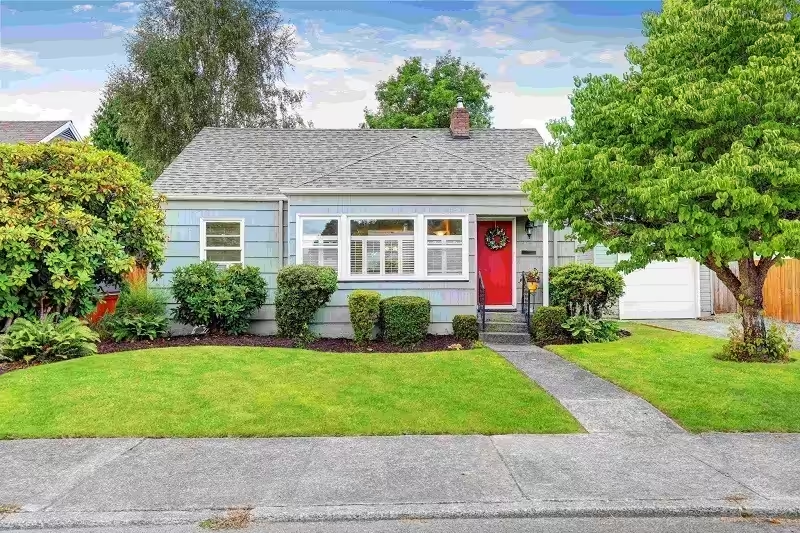
Downsizing in Texas can simplify your life and your insurance, but only if the policy changes along with the move. Base the new dwelling coverage on rebuild cost rather than market price, refresh your personal property limit after decluttering, and schedule valuables that exceed the policy’s special limits. If you move into a condo or association community, read the master policy and choose unit coverage that fills its gaps, including loss assessment. Above all, keep every property you own insured until the deed transfers, and treat flood as a separate decision at the new address. A licensed agent can help you coordinate each step with your closing dates.
Frequently asked questions
Will my premium automatically drop when I buy a smaller house?
Not automatically, and not by a fixed percentage. Premium follows rebuild cost, deductibles, ZIP risk, claims history, and the form type (an HO-3 homeowners form vs. a condo unit form). Compare a real quote for the new address. Factors such as roof age, construction type, and the distance to the nearest fire station can matter as much as square footage.
When should I cancel insurance on the home I am selling?
Coordinate with closing. Keeping coverage until ownership transfers is the safer default. Confirm with your agent and closing team so you do not create a lapse or an unnecessary overlap misunderstanding. Ask the title company for the funding and recording schedule so the cancellation date lines up with the actual transfer.
Do I still need flood insurance after downsizing?
Flood is usually separate from a standard homeowners form. A new ZIP, elevation, or homeowners association location can change the answer—treat flood as its own decision. Flood policies often have a waiting period before coverage starts, so it helps to decide early rather than right before a storm.
What if I rent the old house instead of selling?
Owner-occupied homeowners forms are not landlord policies. Ask about landlord or dwelling fire coverage before the first tenant moves in. A landlord policy can also include coverage for lost rent if a covered loss makes the home unlivable for your tenant.
