

Colorado · Home · Moving & Staging
Staging Colorado homes when it’s time to move is part design, part logistics, and part risk management. Buyers in Front Range and mountain markets respond to light, decluttered spaces — while sellers who vacate early need to keep homeowners coverage continuous and honest about occupancy. This guide mixes practical staging tips with light insurance notes for the move. Educational only.
Educational only — not real-estate or legal advice. Staging return on investment varies by neighborhood, price band, and season. Insurance examples below are general concepts; occupancy definitions and vacant-home endorsements differ by carrier. Confirm with your agent and declarations page.
When you decide to sell, your house changes roles. It stops being the place where your daily life happens and becomes a product that buyers compare against other listings, usually first on a phone screen. Staging is the process of preparing the home so buyers can picture their own lives there. At the same time, the selling period can change how the home is used, especially if you move out before it sells, and that can affect your homeowners insurance. This guide covers both sides: practical ways to present a Colorado home well, and the coverage questions to ask before the house is empty or you own two homes at once.
1. Why staging still matters in Colorado
Colorado listing photos compete with mountain light, homeowners association landscaping, and a lot of similar floor plans. Staging helps buyers imagine living there instead of touring your personality. Done well, it can:
- Highlight square footage and sightlines (especially in Denver metro townhomes and mountain condos with tight footprints)
- Reduce distractions from personal collections, bold paint, or hobby clutter
- Support cleaner listing photos and virtual tours — often the first showing
- Signal that systems and finishes were cared for (paired with honest disclosures and repairs)
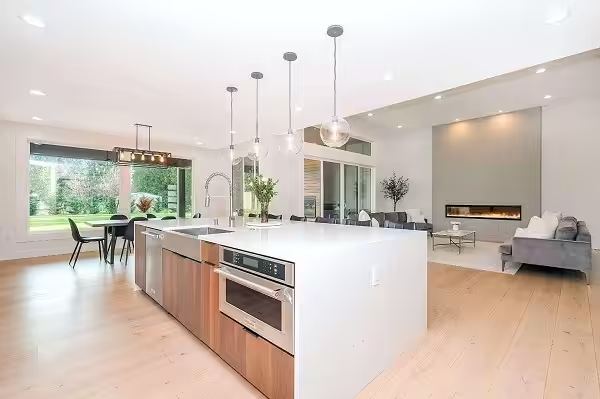
Staging is not a guarantee of a higher bid or a faster close. Treat it as presentation hygiene, not a magic market override.
The value of staging is that it removes reasons for a buyer to hesitate. Clutter makes rooms feel small, strong personal decor can distract from the space itself, and small repairs left undone can make buyers wonder what else has been neglected. Addressing those issues does not change the home’s location or floor plan, but it helps the home compete fairly against similar listings in the same neighborhood.
2. Color, light, and rooms that carry the sale
Neutral bedding and wall colors (soft gray, warm white, light beige) usually photograph better and feel less like someone else’s story. Dark walls can shrink rooms in winter photos when Front Range days are short.
- Entry / mudroom — Colorado buyers notice coat storage, boot space, and first impressions after snowy days.
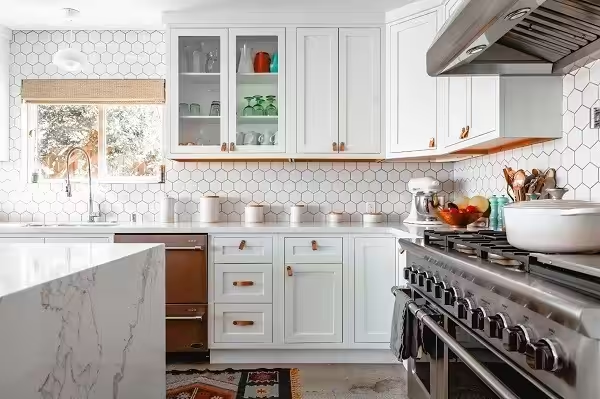
- Kitchen — clear counters; one purposeful appliance cluster; bright under-cabinet or natural light if you have it.
- Primary bedroom — hotel-simple bedding; limited nightstand clutter.
- Baths — white towels, empty counters, working exhaust fans (buyers notice moisture).
- Outdoor / patio — sweep, simple seating; mountain or city views sell themselves if glass and decks are clean.
Accent color works in small doses — a throw, art, or one plant — not a full accent-wall makeover the week before photos unless paint quality is already strong.
Lighting matters as much as color. Colorado’s strong sunshine can make rooms look bright in the afternoon and dim in the morning, so check how each room looks at the time your photographer plans to shoot. Replacing mismatched bulbs with a consistent warm white, cleaning light fixtures, and opening every window covering are simple steps that can noticeably improve photos. In mountain homes with large windows, clean glass helps the view become part of the presentation.
3. Ten practical Colorado staging moves
- Depersonalize family photos and memorabilia without making rooms feel sterile.
- Declutter closets to about two-thirds full so storage looks usable.
- Fix scuffs, loose handles, and burned-out bulbs before photography.
- Open blinds for natural light; add lamps where corners go dark.
- Arrange furniture to show conversation areas — pull sofas off walls when space allows.
- Minimize pet evidence (odor, hair, bowls) for showings even if pets still live there.
- Stage the exterior: mulch, trim, clean gutters, clear ice melt buckets from porches when safe.
- Use odd-number accessory groups sparingly — three items beat seven.
- Deep-clean carpets and windows; Colorado dust and pollen show in high-dynamic-range photos.
- Leave a simple path through rooms so traffic flow feels easy on busy open-house days.
You do not need to complete every step on this list to see results. Start with the changes buyers notice first, such as cleanliness, light, and clutter, and then move to finer details like furniture placement and accessories. Many of these steps also prepare you for the move itself, since decluttering and packing go hand in hand. Boxing up items you will not need before moving day makes the house show better and shortens the work at the end.
4. do-it-yourself vs. professional staging
| Approach | Fits when… | Watch-outs |
|---|---|---|
| do-it-yourself refresh | You still live there; budget is tight; bones are already neutral | Time cost; easy to under-edit your own clutter |
| Partial pro staging | Key rooms only (living, primary, kitchen) | Coordinate delivery around showings and movers |
| Full vacant staging | You have already moved; empty rooms look smaller in photos | Rental furniture logistics; occupancy / vacant insurance questions |
Ask your listing agent which rooms matter most for your price point and neighborhood comps. Not every listing needs a full furniture package.
Vacant staging deserves an extra thought on the insurance side. When rented furniture fills an empty house, the furniture usually belongs to the staging company, which typically carries its own coverage for it. Your homeowners policy is designed for your own belongings and the structure, so ask the staging company what its contract says about damage or theft and confirm with your agent how your policy treats an empty home with staged furniture.
5. Timing the move around Colorado seasons
Late spring into early summer is often busy for Colorado listings, but local inventory and interest rates matter more than a calendar myth. Stage so photos can go live when your agent wants marketing to start — not the night before. If you list into winter, lean harder on lighting, cozy (not cluttered) textiles, and snow-safe access to the front door.
Winter listings bring their own practical tasks. Keeping walkways and steps clear of snow and ice makes showings safer for visitors and reduces the chance of someone slipping on your property. If the home will be empty during cold weather, keeping the heat on at a safe level and having someone check the property regularly helps prevent frozen pipes, which are a common and costly source of water damage in Colorado homes.
6. Insurance notes when the house empties or you overlap two homes
Staging and moving create insurance moments sellers sometimes skip:
- Continuous coverage — do not cancel the sellers’ homeowners policy the day you list or the day you move boxes out. Lapses can complicate claims and lender requirements through closing.
- Occupancy honesty — many HO-3 style policies (HO-3 is the most common homeowners form for owner-occupied houses) assume the dwelling is your residence. If everyone has moved out and the home sits vacant for showings only, tell your agent. Some carriers restrict theft or water damage after a vacancy period, or offer a vacant / unoccupied endorsement or dwelling form instead.
- Showing traffic — lockboxes and open houses increase strangers in the home. Secure valuables; confirm liability still applies under your form; document condition before heavy showing weeks.
- Hail and wind season — Colorado roofs and siding remain exposed while the home is listed. Keep deductibles and roof payment language in mind; see protecting home & auto from Colorado hail.
- Two-address overlap — if you close on a new home before the old one sells, ask how both properties should be scheduled (primary vs. secondary / dwelling). Related hub: Colorado homeowners insurance overview.
- Riders and special limits — jewelry, bikes, or art moved into temporary storage may need scheduling or inland marine discussion: Colorado homeowners insurance riders.
Insurance policies often treat “unoccupied” and “vacant” differently, and the exact definitions come from your policy. In general terms, an unoccupied home still contains furniture and belongings but no one is living there for a while, while a vacant home has been mostly emptied. Many homeowners policies limit certain coverages after a home has been vacant for a set period stated in the policy, often for losses such as vandalism, theft, or water damage from frozen pipes. Because those limits can apply right when an empty house is most exposed, telling your agent your moving timeline lets them explain your options before the home sits empty, rather than after a claim.
Staging checklist
- Neutral beds & baths
- Clear kitchen counters
- Bright photos + working lights
- Curb appeal / snow access
- Repairs before camera day
Coverage checklist
- Policy active through closing
- Occupancy status disclosed
- Vacant rules reviewed if empty
- Valuables secured or stored
- Hail / roof deductibles known
Staging a Colorado home is mostly about light, cleanliness, and removing distractions so buyers can focus on the space. Prioritize the entry, kitchen, bathrooms, and primary bedroom, fix small problems before photos, and plan for the season you are listing in. Throughout the sale, keep your homeowners policy active, tell your agent if the home will be vacant or if you will own two homes at once, and review your hail and roof deductibles. A licensed agent can help you match your coverage to each stage of the move.
Frequently asked questions
Do I have to hire a professional stager?
No. Many sellers succeed with decluttering, paint touch-ups, and better lighting. Pros help most when the home is empty or heavily personalized. Your listing agent can tell you whether professional staging is common at your price point.
What colors work best for Colorado staging?
Light neutrals usually photograph best and help buyers project their own style. Save bold color for small accents. Consistent lighting helps those colors look their best in photos.
If I move out early, is my homeowners policy fine?
Not automatically. Vacancy or unoccupancy can change what is covered. Tell your agent before the house sits empty. Your agent can explain whether an endorsement or a different policy form fits.
Should I cancel insurance the day I list?
Generally no. Keep continuous coverage through closing unless your lender and agent structure a planned change. Coverage usually needs to continue until ownership officially transfers.
Does staging raise my insurance premium?
Staging furniture itself usually does not. Occupancy changes, renovations, or adding a second home can affect premium and eligibility. Telling your agent about those changes keeps your policy accurate.
