

Texas · Auto Insurance · Collision
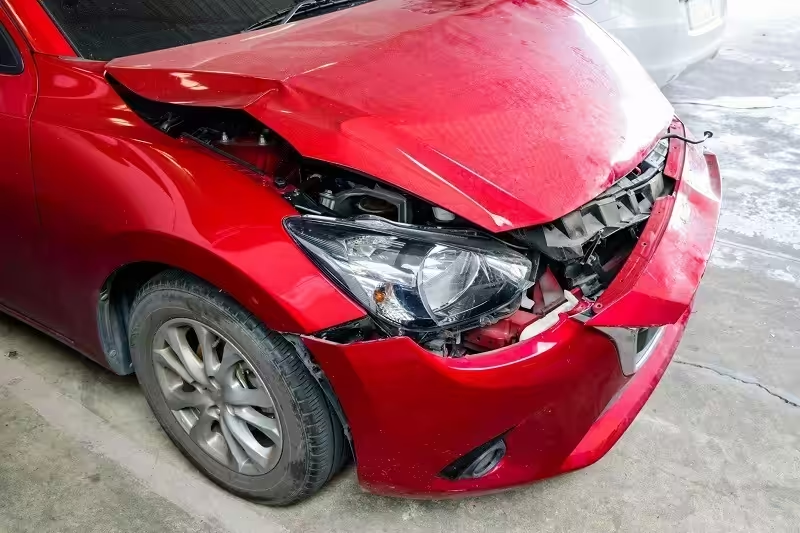
Collision insurance in Texas pays to repair or replace your vehicle after a crash with another vehicle or object—or many single-vehicle accidents—subject to your deductible and the policy’s actual cash value rules. It applies regardless of who was at fault for the crash; fault still matters for liability claims and for recovering your deductible through subrogation. Texas does not require collision by statute, but lenders and lessors almost always require it on financed or leased cars. Searching for “cheap collision” should mean smart deductible design, honest actual cash value expectations, and real shopping levers.
Related Texas auto pages: car insurance in Texas · Texas auto product hub · what coverage includes · how to lower rates · rates & cost drivers · ask an agent.
Collision coverage is the part of an auto policy that repairs or replaces your own car after a crash, and it is often one of the larger pieces of the premium. That is why so many Texas drivers search for ways to make it cheaper. The honest path to a lower collision cost is not a secret discount; it is understanding how the deductible, the value of your car, your lender’s rules, and the way claims are settled all fit together. This guide explains what collision covers and what it does not, how to choose a deductible you can actually afford, why claims are settled at actual cash value, when dropping collision on an older car can make sense, and which legitimate steps can lower the cost.
1. What collision covers (and what it does not)
On a typical personal auto policy, collision applies when your covered auto is damaged by colliding with another vehicle or object, or by upsetting (rolling over), subject to the deductible and exclusions. Everyday Texas examples:
- Rear-end or side-impact crashes on Interstate 35, Interstate 10, Interstate 45, U.S. Highway 59 (Interstate 69), Loop 610, or city streets in Houston, Dallas–Fort Worth, Austin, San Antonio, and beyond
- Hitting a guardrail, median, curb, parked car, or mailbox
- Single-vehicle loss of control on wet roads, black ice in North Texas winters, or debris-strewn freeways after storms
- Parking-lot impacts where you (or an insured driver) cause the damage
Collision does not pay the other driver’s injuries or property damage—that is liability. It usually does not cover hail, theft, vandalism, flood, fire, or many animal strikes—those are typically comprehensive (other-than-collision). Liability minimums in Texas are often summarized as 30/60/25; confirm current figures with the Texas Department of Insurance auto consumer guide (cb020).
Keeping these coverages straight prevents unpleasant surprises at claim time. A driver who carries only liability coverage has no protection for their own car, whether the damage comes from a crash or a hailstorm. A driver who carries collision but drops comprehensive is protected after a crash but not after hail, theft, or a flood, which are common sources of loss in many parts of Texas. Reviewing your declarations page to see which physical damage coverages you carry, and what deductible applies to each, takes only a few minutes and tells you exactly where you stand.
Collision
Crash / upset damage to your vehicle. Deductible applies. First-party physical damage—fault does not block the claim on your own car.
Comprehensive
Non-crash physical damage: hail, theft, vandalism, fire, flood, falling objects, many animal impacts—per form. Hail matters across much of Texas.
Liability (bodily injury and property damage)
Pays others when you are at fault. Required to drive/register in Texas (at least minimum limits). Does not fix your car.
“Full coverage”
Consumer shorthand—usually liability + collision + comprehensive (often with uninsured and underinsured motorist). Not a Texas statute term.
2. Deductible design: the main “cheap” lever you control
Raising the collision deductible usually lowers the premium and raises what you pay out of pocket after every crash claim. That is the core tradeoff—not a magic discount percentage.
| Deductible choice | Premium effect (typical direction) | When it can make sense |
|---|---|---|
| Lower deductible (e.g., $250–$500) | Higher premium | Thin emergency fund; financed car with lender deductible caps; you want smaller cash hit after a fender-bender |
| Mid deductible (often $500–$1,000) | Balanced for many households | You can fund the deductible the week after a crash without skipping rent or payroll |
| Higher deductible (e.g., $1,000–$2,500+) | Lower premium | Strong cash reserve; older paid-off car; you mainly want protection against large losses |
Lender / lessor check: Many notes cap how high your collision deductible can be. Raising it past that cap can put you out of compliance even if the premium looks “cheaper.”
Do the dollar math: if raising the deductible saves a modest annual premium but you cannot write the check after a wreck, you did not buy a better deal—you bought a cash-flow problem.
A simple test helps here. Ask yourself whether you could pay the deductible within a week of an accident without borrowing or falling behind on other bills. If the answer is yes, a higher deductible may be a reasonable way to lower the premium. If the answer is no, a lower deductible may be worth the extra cost, because it keeps a crash from turning into a financial emergency. It also helps to compare the yearly premium savings with the increase in the deductible; if raising the deductible by several hundred dollars saves only a small amount each year, it may take many claim-free years to come out ahead.
3. Actual cash value: why “full repair” is not always the outcome
Collision claims are usually settled at the lesser of repair cost or actual cash value minus the deductible. Actual cash value reflects pre-loss market value—age, mileage, condition, options—not what you still owe on a loan and not what a brand-new replacement costs.
- If repair cost exceeds actual cash value, the carrier may declare a total loss and pay actual cash value (minus deductible and salvage handling per the policy)
- Newer financed or leased vehicles can leave a loan/lease gap after a total loss—gap products (separate from the primary auto form) address that shortfall when purchased
- Prior unrepaired damage, salvage history, and aftermarket parts rules can affect settlement—ask before you assume original equipment manufacturer-only repairs
Understanding actual cash value keeps “cheap collision” conversations honest: a low premium on a high-value sport utility vehicle still has to fund realistic claim outcomes.
When a claim is settled, the adjuster typically reviews the repair estimate and the car’s value before the loss, and pays whichever is lower, minus your deductible. If you believe the value is too low, you can ask for the valuation report and provide records such as recent repairs, new tires, or listings for similar cars in your area. If the car is financed or leased and the settlement is less than what you owe, gap coverage, when purchased, may help with the difference. Knowing these rules ahead of time makes collision pricing easier to judge, because you can see what the coverage would realistically pay for your particular car.
4. When dropping collision on an older paid-off car can be rational
Texas drivers often ask when they can drop collision. There is no universal year/mileage cutoff. A practical framework:
- Estimate what the car would bring in a clean private-party sale today (not what you paid years ago)
- Estimate a realistic repair after a moderate crash in your metro (parts + labor)
- Look at annual collision premium for your current deductible
- Ask whether you can self-fund that repair—or replace the car—without insurance
If annual collision premium plus your deductible regularly approaches the car’s remaining useful value, self-insuring the crash risk can be rational if the car is paid off and you accept walking away after a serious loss. Keep comprehensive if hail/theft still worries you—those are different perils. Do not drop collision on a financed or leased vehicle without lender approval.
Here is how the framework works in practice. If a paid-off car would sell for a few thousand dollars, and a year of collision coverage plus your deductible would take a large share of that amount, you may be paying a lot to protect a small value. If you have savings that could replace the car or cover a serious repair, keeping that money instead of paying for collision can be a sensible choice. If losing the car would leave you without a way to get to work and no savings to replace it, collision may still be worth its cost even on an older car. The decision is personal, and it is worth revisiting each year as the car’s value changes.
5. Legitimate ways to lower collision cost in Texas
Shop identical stacks
Same vehicle identification number details, same deductible, same drivers. Different carriers weight collision risk differently.
Deductible you can fund
Raise only what your cash reserve supports. Confirm lender caps first.
Multi-car & bundle
Household multi-car and home+auto packages can change the family total—compare coverages, not only the collision line.
Vehicle & usage truth
Commute miles, rideshare, and business use affect eligibility and price. Misstated use is not a discount strategy.
Safety & anti-theft features
Ask which features your carrier credits. Credits are carrier-specific—no universal percentage.
Continuous coverage
Lapses and prior claims change markets. Keep continuous liability even when you rethink physical damage.
Broader Texas shopping levers: how to lower your rates in Texas. Cost-driver context: Texas rates guide.
The most reliable way to lower collision cost is to compare like with like. When every quote uses the same vehicle details, the same drivers, and the same deductible, the price differences you see reflect how each insurance company views your risk, not differences in coverage. Being accurate about how the car is used, including commuting distance and any rideshare or business driving, protects you from a claim problem later. Asking about safety and anti-theft features, and keeping liability coverage in force without gaps, are practical steps that can help over time without sacrificing protection.
6. Fault, subrogation, and why collision still helps when the other driver is wrong
Texas is generally an at-fault state for auto liability. If another driver causes the crash, you may claim against their liability—or use your collision coverage to get your car fixed sooner, then allow your insurer to pursue subrogation. When subrogation succeeds, you may recover your deductible (subject to comparative-fault and recovery realities). Collision is still useful when the other driver is uninsured, underinsured, or disputes fault.
Subrogation simply means your insurance company steps into your shoes after paying your claim and seeks repayment from the driver who caused the accident or that driver’s insurance company. Using your own collision coverage often gets your car repaired faster, because you do not have to wait for the other company to accept responsibility. If the other driver is found partly at fault, the amount recovered may be reduced, and your deductible refund may be partial. Keeping police reports, photos, witness information, and repair records helps your insurance company pursue that recovery.
Affordable collision coverage in Texas comes from smart choices rather than shortcuts. Choose a deductible you could pay right away and that fits your lender’s rules, understand that claims are settled at the lesser of repair cost or actual cash value, and compare quotes with identical vehicles, drivers, and deductibles. On an older paid-off car, weigh the yearly cost of collision against the car’s value and your savings before deciding to drop it, and keep comprehensive if hail or theft is a concern. A licensed agent can help you test different deductibles and coverage combinations so you can see the real tradeoffs.
Frequently asked questions
Is collision insurance required in Texas?
Not by state statute for a paid-off car. Lenders and lessors almost always require it on financed or leased vehicles. Liability at least at Texas minimums is required to drive and register. If you pay off your loan, check whether removing collision still makes sense for the car’s value and your savings before dropping it.
Does collision cover me if I cause the accident?
Yes for damage to your vehicle (minus deductible), subject to the policy. Your liability covers others when you are at fault. That is one of the main reasons drivers carry collision, since no other coverage on the policy repairs your car after an accident you cause.
Does collision cover hail?
Usually no—hail is typically comprehensive. Confirm your declarations. If you drop comprehensive to save money, hail damage to your car would be yours to pay.
Will raising my deductible always make collision cheaper?
It usually lowers premium, but only helps if you can fund the higher out-of-pocket cost after a claim and stay within lender rules. Compare the yearly savings with the higher out-of-pocket cost to see how long it would take to come out ahead.
What is actual cash value on a Texas collision claim?
Actual cash value is the vehicle’s pre-loss market value used in many settlements—not the loan balance and not new-car replacement cost unless you bought a specific endorsement that says otherwise. If you disagree with the value, ask for the valuation report and provide records of the car’s condition and comparable listings.
Will Freedom guarantee the cheapest collision rate in Texas?
No. We compare markets we access and explain deductible and coverage tradeoffs. Outcomes depend on your risk profile and carrier filings. A side-by-side comparison with matching deductibles is the clearest way to see your real options.
How does liability insurance differ from comprehensive or collision insurance?
Liability pays for injuries and damage you cause to other people and their property. Collision pays to repair your own car after a crash, and comprehensive pays for damage from other causes, such as hail, theft, or hitting a deer. Texas requires liability; collision and comprehensive are optional unless your lender requires them.
Should I get collision insurance in Texas?
Usually yes if your car is financed, leased, or would be costly to replace. On an older car, compare the yearly collision premium with the car’s value minus your deductible.
What is other than collision coverage for Texas drivers?
“Other than collision” is another name for comprehensive coverage. It covers hail, flood, fire, theft, vandalism, falling objects, and animal strikes.
Can I add collision coverage after an accident in Texas?
You can add it for future accidents, but it won’t cover a crash that already happened. Add it before you need it.
Sources & further reading
- Freedom — Car insurance in Texas
- Freedom — Texas auto insurance
- Freedom — What Texas car insurance covers
- Freedom — How to lower rates in Texas
- Freedom — Car insurance rates in Texas guide
- Freedom — Ask an agent
- Freedom — Get a quote
- Texas Department of Insurance — Auto insurance consumer guide (cb020)
- Texas Department of Insurance — Consumer resources
- National Association of Insurance Commissioners — Consumer resources
