

Motorcycle · Winter Hazards · Storage & Coverage
Motorcycle insurance and winter hazards go together even in Texas and other multi-state markets where cold snaps are shorter than up north. Cold pavement, black ice, reduced daylight, and off-season storage raise crash and theft risk. This educational guide covers common winter riding hazards, smart storage habits, and why comprehensive coverage matters for theft and vandalism when the bike is parked more than ridden. Whether you keep riding through cold snaps or park the bike until spring, the coverage conversation should match how the motorcycle is actually used and stored.
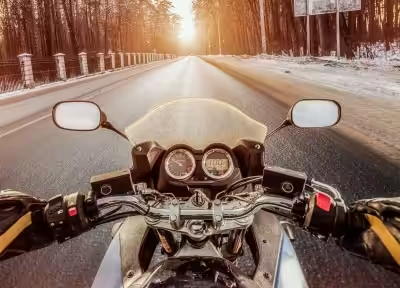
Winter changes motorcycle risk in two directions at once. On the road, cold tires, ice, shorter daylight, and other drivers increase crash potential. Off the road, a parked bike becomes a quieter theft and vandalism target for weeks or months. Insurance cannot make icy pavement safe, but the right coverages can respond after a crash, a stolen motorcycle, or damage while the bike sits.
1. Winter riding hazards (Texas and multi-state framing)
Texas winters are mild compared with the Rockies or Midwest, but front-driven freezes, black ice on overpasses, and wet leaves still catch riders. Colorado, Missouri, and Tennessee riders face longer cold seasons, mountain passes, and freeze-thaw cycles. Shared hazards include:
- Cold tires and reduced grip — rubber compounds harden; lean angle and braking distances change.
- Bridge decks and shaded pavement — ice forms where sun never reaches, even when the bank thermometer looks fine.
- Shorter daylight and glare — commute windows overlap dusk; visibility gear matters more.
- Wind and chill — hypothermia and slower reaction time are real safety issues, not just comfort.
- Other drivers — holiday traffic, fogged windshields, and unfamiliar winter road behavior.
- Road treatments — sand, brine, and gravel leftover from ice control reduce traction for two wheels.
Texas freezes are shorter than Colorado, Missouri, or Tennessee winters, yet overpasses, bridges, and shaded pavement still glaze over quickly. Riders who travel between states should plan for the hardest conditions they will actually face, not the mildest hometown forecast. If ice is in the forecast, postponing the ride is the safety decision; coverage is the financial safety net after a loss you could not avoid.
Safety first: No insurance product makes unsafe conditions safe. If forecasts call for ice, postpone the ride. Coverage helps after a loss; it does not replace judgment.
Still riding?
Check tire pressure cold, warm the bike gently, lengthen following distance, and avoid painted lines and metal plates when wet or near freezing. Wear layered, waterproof gear with high-visibility accents.
Parking for the season?
Stabilize the battery, fuel, and fluids per the owner’s manual; use a quality cover; lock the bike and record the vehicle identification number and photos. Confirm where the bike is stored—garage vs. open lot affects theft risk and sometimes underwriting questions.
Even in a garage for the season, preparation matters. A battery tender, proper fuel and fluid care per the owner’s manual, a solid cover, and good locks reduce the chance of a spring surprise. Photos of the bike and any accessories, plus the vehicle identification number, make a theft or vandalism claim much easier if the worst happens in January.
2. How motorcycle insurance maps to winter losses
| Coverage | Winter-relevant role |
|---|---|
| Liability (bodily injury / property damage) | Helps if you injure someone or damage property in a cold-weather crash—subject to limits and exclusions |
| Collision | Typically responds to crash damage to your bike (deductible applies); ice crashes still count as collisions |
| Comprehensive | Often the key winter storage coverage—theft, vandalism, fire, falling objects, some weather perils (policy-specific) |
| Uninsured / underinsured motorist | Important when another driver causes a winter wreck and lacks adequate insurance |
| Medical payments / personal injury protection-style options | State and carrier dependent; ask what applies on a motorcycle form in your state |
| Accessories / custom parts | Aftermarket exhaust, luggage, and electronics may need scheduled limits—theft of parked bikes often targets add-ons |
| Roadside / trip interruption | Useful if a cold start or dead battery strands you; confirm motorcycle eligibility |
Liability-only coverage may meet a legal or lender checkbox in some situations, but it will not replace a stolen bike or pay to repair vandalism while the motorcycle sits all winter. Collision responds to crash damage to your bike, including many ice-related losses, subject to the deductible. Comprehensive is usually the storage-season coverage riders underestimate until after a theft.
Liability-only may satisfy a minimum legal or lender checkbox in some situations, but it will not replace a stolen bike from a storage unit or pay to fix vandalism while the motorcycle sits all winter. Comprehensive is the coverage most riders underestimate when they “only park it until spring.”
3. Storage, theft, and vandalism—why comprehensive matters
Ask specifically about layup or seasonal options before you cancel. Some carriers offer laid-up credits; others expect continuous coverage and treat a cancellation as a lapse risk later. Never assume a “storage” conversation removes theft protection you still need. Read the form or have an agent confirm what remains in force while the bike is parked.
- Off-season bikes are targets — thieves watch quiet garages, apartment lots, and storage facilities.
- Vandalism and weather — keyed tanks, stolen mirrors, fallen tree limbs, and wind-blown debris are typically comprehensive-type perils when covered.
- Layup discounts vs. gaps — some carriers offer seasonal or laid-up options; others expect continuous coverage. Never assume a “storage” endorsement removes theft coverage you still need—read the form or ask your agent.
- Agreed value vs. actual cash value — collector and specialty bikes may warrant agreed-value discussions; stock commuters often settle at actual cash value (what the bike was worth just before the loss, after depreciation).
- Documentation — photos, receipts for accessories, and a recorded vehicle identification number speed claims if the worst happens in January.
4. Multi-state winter checklist for riders
- Decide ride vs. store based on forecast and skill—not stubbornness.
- If storing: battery tender, fuel stabilizer as appropriate, secure locks, and a cover.
- Confirm collision and comprehensive deductibles you could actually pay.
- Ask whether accessories are included or need a schedule.
- Update your address/garaging ZIP if the bike moves for the season.
- Review rating factors that affect premium in Texas (and other states you ride)—experience, bike size, and coverages—via how much motorcycle insurance costs in Texas.
Update garaging information if the bike moves for the season. A different ZIP, a storage facility, or a relative’s garage can affect rating and theft exposure. Accessories such as aftermarket exhaust, luggage, and electronics may need scheduled limits, because parked-bike theft often targets add-ons as much as the motorcycle itself.
Motorcycle insurance and winter hazards meet at a simple rule: ride only when conditions are safe, store the bike securely when they are not, and keep collision and comprehensive aligned with how you actually use the motorcycle from November through early spring.
Frequently asked questions
Should I drop motorcycle insurance in winter?
Usually no if the bike still exists and could be stolen or damaged. Talk to your agent about legitimate layup options instead of canceling outright. Ask about legitimate layup options that keep theft and vandalism protection in place while the bike is parked.
Does comprehensive cover theft from a locked garage?
Typically theft is a comprehensive peril when you carry that coverage, subject to deductible, exclusions, and proof of loss. Garage location can affect risk and rating—disclose garaging accurately. Accurate garaging information helps rating and avoids claim disputes about where the bike was kept.
Is ice considered a collision?
Losing control on ice and hitting the ground or another object is generally treated as a collision claim for damage to your bike, not “comprehensive weather,” though policy language controls. Liability may also apply if others are hurt. Liability coverage can also apply if someone else is hurt in the same incident.
Do Texas riders really need winter prep?
Yes. Ice storms and hard freezes happen. Even between freezes, wet cold mornings reduce grip. Multi-state households in Colorado/Missouri/Tennessee should treat winter as a full season, not a weekend. A single ice storm is enough to justify cold-weather habits and a coverage check before the season.
Where do I compare motorcycle policies?
Start at the motorcycle insurance hub, review cost factors for Texas, then ask an agent for a quote that matches how you actually store and ride. Bring details on how you store and ride so the quote matches real winter use, not a summer-only assumption.
