

Colorado · Auto · Fender Bender Protection
Protecting against a fender bender in Colorado is less about one dramatic crash and more about whether your liability limits, collision deductible, and medical payments (MedPay) still match Front Range traffic, rising repair costs, and the assets you need to protect. MedPay can help with reasonable medical expenses for you and passengers after an auto accident, often regardless of fault, up to the MedPay limit and subject to policy wording. This educational guide walks through Colorado minimums framing, coverage choices, and claim decision points—not legal advice. A scrape in a parking lot or a bumper tap on Interstate 25 can still trigger tow bills, body-shop estimates, rental cars, and medical checks.
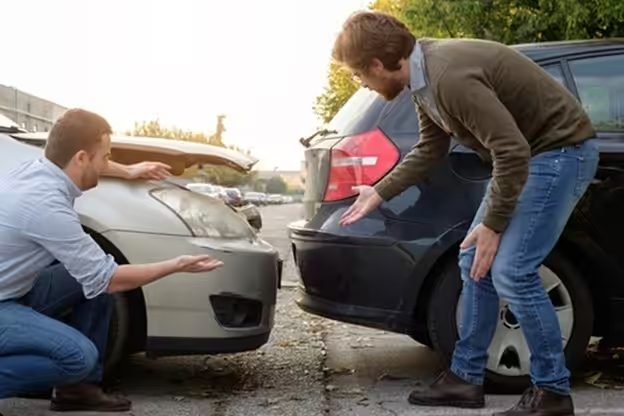
Educational only — not legal advice: Accident reporting rules, fault determination, and claim strategy depend on facts and current law. For statutes and official guidance, start with the Colorado Division of Insurance auto page. Related hubs: Colorado car insurance options · Colorado car insurance laws · ask an agent.
1. What a “fender bender” still costs in Colorado
Minor crashes still trigger tow bills, body-shop estimates, rental cars, and medical checks—even when nobody looks seriously hurt at the scene. Paint and sensor repairs on newer vehicles push property-damage claims higher than many drivers expect. A policy sized only for yesterday’s repair bills can leave you paying the gap out of pocket or negotiating with the other driver’s insurer from a weak position.
- Property damage can exceed Colorado’s commonly cited minimum PD limit after one modern bumper + ADAS recalibration. Advanced driver assistance systems (ADAS) are the cameras, radar, and sensors that often need recalibration after even minor bumper work.
- Soft-tissue injuries may surface days later—MedPay or health insurance coordination matters
- Your own collision deductible is the cash you need before repairs start if you are at fault or the other driver is underinsured
Underinsured means the at-fault driver’s liability limits are too low to cover the full loss. That is one reason uninsured motorist / underinsured motorist (UM/UIM) coverage belongs in the same conversation as “I only need collision for my car.”
Front Range traffic, winter road conditions, and crowded parking structures all raise the odds of scrapes that still cost real money. Sizing coverage for those everyday risks is usually more useful than buying for a once-in-a-lifetime multi-car pileup alone—though higher BI/PD limits help in both stories.
2. Colorado liability minimums: legal floor, not a protection plan
Colorado financial-responsibility rules are commonly summarized as 25/50/15—about $25,000 bodily injury per person, $50,000 bodily injury per accident, and $15,000 property damage per accident. That floor helps you drive legally; it is rarely enough after a multi-car crash on I-25 or a claim involving medical bills plus vehicle total loss. Confirm current figures with the Division of Insurance before you rely on any blog summary.
Bodily injury (BI)
Pays others’ injury costs when you are liable—up to your limit. Higher limits matter if you have home equity, savings, or future wages to protect.
Property damage (PD)
Pays others’ vehicle and property repairs. Modern cars make the $15,000 floor feel thin quickly.
Uninsured / underinsured (UM/UIM)
Helps when the at-fault driver has little or no insurance. Ask how UM/UIM stacks beside your BI limits.
Umbrella on top
Personal umbrella can extend liability above auto (and home) when assets warrant it. Overview: umbrella insurance.
Broader law context: Colorado car insurance laws. Product hub: Colorado car insurance options.
Split limits work the same way as in other states: the per-person BI number, the per-accident BI number, and the PD number each apply separately. Raising BI/PD above 25/50/15 is a common way to protect assets after a crash that is “only” a fender bender on paper but expensive in the real world. An umbrella sits above those underlying limits once the carrier’s minimums are met.
3. Collision: your car after a fender bender
Liability pays the other party when you are at fault. Collision pays to repair or total your vehicle (minus deductible) in a crash with another car, a pole, or a parking-lot scrape—subject to policy terms. Colorado does not require collision to drive, but lenders usually require it on financed or leased vehicles. Details: is collision required in Colorado? and service framing at Colorado collision insurance.
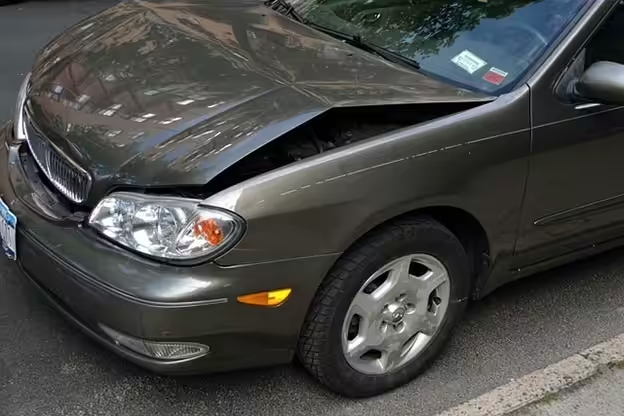
- Choose a deductible you can pay from savings without stress
- Weigh premium vs. vehicle value—older cars with low ACV may not justify collision. Actual cash value (ACV) is generally the car’s market value just before the loss.
- Keep photos and estimates; small claims still appear on some underwriting histories
If another driver’s liability pays your repairs, you may not need to use your own collision—but you still need a plan when the other driver is uninsured, underinsured, or disputing fault. Collision is the pathway that repairs your car subject to your deductible when your own policy responds.
Lenders typically require collision and comprehensive until a loan or lease ends, and they may cap how high your deductibles can go. Confirm those rules before you raise a deductible only to chase a lower premium—force-placed coverage after a lapse is usually worse than keeping continuous physical damage on a financed car.
4. MedPay: medical bills for you and your passengers
Medical Payments (MedPay) can help with reasonable medical expenses for you and passengers after an auto accident, often regardless of fault, up to the MedPay limit and subject to policy wording. It is not a substitute for health insurance or liability coverage. Colorado drivers often size MedPay beside health deductibles and whether they carry PIP-style options with a given carrier. Full educational guide: MedPay for Colorado drivers.
Soft-tissue soreness that appears a day or two after a “minor” scrape is a common reason people wish they had sized MedPay beside their health plan’s deductible and copays. Read how your auto policy and health insurance coordinate; order-of-benefits language matters when both may respond.
5. Deductible choices that actually fit your cash flow
Raising collision or comprehensive deductibles can lower premium—but only if the higher out-of-pocket amount is money you truly have. After a fender bender you may need the deductible plus a rental deposit before the shop starts work. Framework: how to determine your car insurance deductible in Colorado.
| Question | Why it matters after a minor crash |
|---|---|
| Can I pay this deductible in 48 hours? | Shops and rental companies often want payment authorization quickly. |
| Is the vehicle financed? | Lender may require collision/comp and limit how high deductibles can go. |
| Do I have an emergency fund? | Pair deductible choice with cash reserves—not just the cheapest premium. |
| Would I file a tiny claim? | Sometimes paying a small repair yourself is cleaner than a claim—ask an agent about implications. |
Comprehensive (other than collision) still matters for hail, theft, vandalism, and animal strikes that are not “fender benders” but can leave you with the same shop visit and deductible math. Size collision and comprehensive deductibles as a pair you can actually pay.
Rental reimbursement is optional on many forms. If you would need a rental after a shop visit, price it as its own line item when you compare quotes. If you have a second car or would not rent anyway, skipping it can be reasonable—just decide deliberately rather than discovering the gap after the scrape.
6. After the scrape: practical steps (still not legal advice)
These steps are practical habits, not a checklist that replaces police instructions or attorney advice when injuries or disputes exist:
- Move to safety if you can; call police when required or when injuries/disputes exist
- Exchange information; photograph damage, plates, and the scene
- Seek medical evaluation if anyone has symptoms—even delayed ones
- Notify your insurer promptly; ask whether to use collision, the other party’s liability, or both pathways
- Keep repair estimates, rental invoices, and medical bills organized
Claim decision: Filing every tiny scratch is not always wise; ignoring a crash that caused injury is worse. Talk through the facts with your agent and insurer before assuming “minor” means “ignore.”
Photos of the scene, the other vehicle’s plate, and the damage before cars are moved (when safe) help later conversations with insurers. Written estimates and a simple folder for bills reduce stress if MedPay, health insurance, and liability claims overlap.
Prompt notice to your insurer protects your rights under most policies. Waiting days because a crash “looked minor” can complicate coverage questions later—especially if injuries appear after the adrenaline fades. When in doubt, call and ask how to document the loss even if you have not decided whether to file yet.
7. Coverage checklist for Colorado drivers
Use this as a renewal or mid-term review list—especially if repair costs, teens, or a Front Range commute have changed since you last shopped:
- Liability above 25/50/15 if assets, teens, or Front Range commute risk warrant it
- Collision deductible matched to emergency fund
- MedPay sized beside health insurance realities
- UM/UIM reviewed—not left at the bare minimum by accident
- Comprehensive considered for hail, theft, and animal strikes (see our companion hail guide)
- Rental reimbursement only if you would use a rental after a shop visit
Frequently asked questions
Is Colorado’s 25/50/15 enough after a fender bender?
It may cover a truly minor property-only scrape—or it may not, especially with modern repair costs or any injury claim. Treat the state floor as a legal minimum, then size limits to your assets and risk.
Do I need collision for a paid-off older car?
Not legally. Compare the annual collision premium and deductible to the car’s actual cash value. If ACV is low, collision may not be worth keeping—confirm with a current quote.
Does MedPay replace health insurance?
No. MedPay is a limited auto coverage that can help with accident-related medical bills for occupants. Coordinate with health insurance and read your policy’s order-of-benefits language.
Should I always file a claim for a parking-lot ding?
Not automatically. Consider repair cost vs. deductible, potential surcharge rules, and whether another party is involved. Ask your agent before deciding.
Where should I read next on this site?
Start with Colorado car insurance laws, MedPay for Colorado drivers, and Colorado deductible choices—then ask an agent.
How much does a fender bender cost Colorado drivers?
It depends on the parts and labor involved. Modern bumpers often hide sensors, cameras, and crumple components, so a minor-looking scrape can cost more than expected. With collision coverage, you pay your deductible and the insurer pays the rest; if the other driver is at fault, their property damage liability, which must be at least $15,000 in Colorado (C.R.S. §10-4-620), pays your repair.
Should you call the police for a fender bender in Colorado?
Yes. Under C.R.S. §42-4-1606, a driver in an accident that causes injury, death, or any property damage must give immediate notice to the nearest police authority after exchanging information and helping anyone injured. Police may tell you to file a report online or at a station for a minor crash.
Does a fender bender count as an accident in Colorado?
Yes. Even a minor collision is an accident for legal and insurance purposes, and an at-fault claim can appear on your record and affect your rates.
Can a fender bender cause transmission problems?
It can. A hard rear or front impact can damage mounts, cooling lines, or sensors. If you notice slipping, leaks, warning lights, or new noises after a crash, have the car inspected and include the findings in your claim.
Will a fender bender raise insurance for Colorado drivers?
It may if you were at fault. Not-at-fault claims are less likely to raise your rate. Some companies offer accident forgiveness for a first incident.
Sources & further reading
- Colorado car insurance options
- Colorado car insurance laws
- Collision insurance requirements in Colorado
- MedPay guide for Colorado drivers
- Car insurance deductibles in Colorado
- Comprehensive car insurance in Colorado
- Umbrella insurance
- Colorado Division of Insurance — Auto
- Ask an agent
- C.R.S. §42-4-1606 — Duty to report accidents.
- C.R.S. §10-4-620 — Minimum liability.
