

Texas · Auto Insurance · Myths vs. Rating
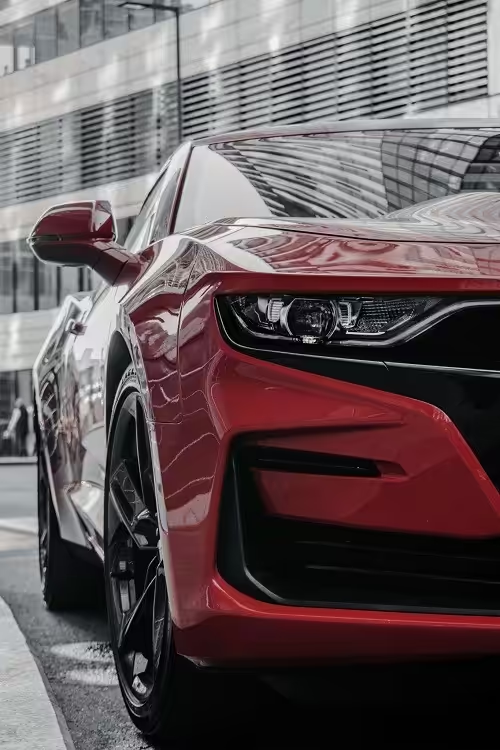
Does a red car cost more to insure in Texas? Paint color is one of the most durable auto-insurance myths—and one of the least useful for shopping. Most personal-auto rating systems care about who drives, where the car is kept, what the vehicle is, and how much coverage you buy—not whether the finish is scarlet or silver. Shoppers still ask the question every week because crash photos and movie tropes make color feel meaningful, even when the quote worksheet never asks for it. This guide separates folklore from the factors that actually move a Texas quote.
Educational only. Carrier manuals and state rules differ. Always read your quote worksheet and declarations page.
1. The red-car myth—and why it sticks
People notice flashy cars in crash photos and news clips, then assume insurers surcharge “attention-getting” colors. In practice, underwriters and rating algorithms need measurable predictors of loss cost. Paint is easy to change and weakly tied to crash frequency once make, model, performance package, and driver profile are known—so most personal lines programs simply do not rate on color. The myth survives because it is memorable and because it feels like an explanation when a premium is higher than a neighbor’s for reasons that are harder to see—miles, tickets, ZIP, or a different deductible.
If two identical vehicles get different premiums, look first at drivers, garaging ZIP, annual miles, prior claims, coverage limits, and deductibles—not the spray booth. A red base-model sedan and a red high-performance trim of the same brand are not “the same car” for rating purposes, even when the paint code matches in a parking lot.
2. What Texas auto rating usually weighs
Texas is a competitive personal-auto market with many admitted writers. The inputs that commonly show up on quotes include:
- Driving record — at-fault accidents, speeding, and serious violations tend to matter more than cosmetics
- Vehicle — year, make, model, trim, safety equipment, theft/loss history for that vehicle class, and repair cost
- Territory — where the car is principally garaged (urban congestion, theft, weather patterns)
- Driver characteristics — age, experience, household composition; marital status may appear on some programs
- Usage — pleasure, commute, or business use; annual mileage bands
- Coverage design — liability limits, UM/UIM, PIP/MedPay choices, comprehensive/collision, and deductibles
- Insurance score — where permitted under Texas rules, credit-based insurance scoring can influence price
For a plain-language walkthrough of how companies decide, see our Spanish companion on rating factors (cómo deciden las compañías) and English shopping hubs: Texas auto insurance and car insurance in Texas. Uninsured/underinsured motorist (UM/UIM) and personal injury protection (PIP) choices also change the package even when the vehicle itself stays the same—another reason two “same car” quotes can diverge without any color story.
Usually not a rating lever
- Paint color (red, black, white, etc.)
- Vanity plate slogans
- Dealer “premium detailing” packages
- Folklore about “sports car = auto red”
Often a real lever
- Performance trim vs. base model
- Prior claims and tickets
- Garaging ZIP and miles
- Liability limits and physical-damage deductibles
When you shop, ask the agent to show which of those real levers changed between quotes. That conversation is more useful than repainting a car you already own in hopes of a mythical discount. Texas metro garaging differences—Dallas–Fort Worth congestion versus a smaller town ZIP, Houston theft patterns versus a suburban garage—often explain more premium movement than any exterior color story ever could.
3. Other common Texas auto myths
| Myth | More accurate picture |
|---|---|
| “Red cars always cost more.” | Color is typically ignored; model, usage, and record drive price. |
| “Minimum limits are enough for everyone.” | Texas minimums meet the law; they may not match your assets or injury exposure. See how much coverage you may need. |
| “Liability-only is always cheapest and fine.” | It can be cheaper—but financed/leased cars usually need comprehensive and collision. Compare liability vs. full coverage. |
| “Raising deductibles always pays.” | Higher deductibles can lower premium, but only if you can pay them after a loss. Context: high vs. low deductibles. |
| “One online quote equals the market.” | Appetite and rating differ by carrier. Independent shopping still matters—see practical ways to lower rates. |
| “After-market parts mean a claim was denied.” | Parts source and repair standards are separate from coverage. Related: new vs. aftermarket parts. |
Each of those myths survives for the same reason the red-car story does: a simple slogan feels easier than reading a declarations page. Texas drivers who replace slogans with matched quotes usually find clearer levers—record, miles, limits, and deductibles—than any paint-related folklore. Another quiet myth cousin is “my neighbor pays less for the same red car,” which almost always collapses once you learn the neighbor has different miles, a different household driver list, or a higher deductible.
4. Color vs. the vehicle itself
What looks like a “color effect” is often a vehicle effect. A red coupe that is also a high-horsepower trim with expensive body panels will rate differently than a beige family sedan of the same brand. Comprehensive and collision pricing tracks repair and theft costs for that vehicle class—see comprehensive vs. collision. If you financed a new car, ask about GAP separately from paint myths. Guaranteed Asset Protection (GAP) addresses a loan balance above actual cash value; it has nothing to do with whether the car left the dealer in red or silver.
Performance packages, oversized wheels, and aftermarket body kits can also change how a vehicle is classified or valued. Tell the agent about modifications that affect performance or repair cost—those facts belong on the application even when color does not. Custom paint jobs that accompany major body work should be disclosed as part of the vehicle description when they change value, but the color name itself is still not the usual rating lever—value and repair complexity are.
5. Practical shopping tips (Texas)
- List the real drivers and garaging address accurately—misstated ZIP or excluded drivers create bigger problems than paint.
- Match coverage to the car’s value and your assets, not to folklore about color.
- Compare identical limits and deductibles across quotes so price differences reflect rating, not apples-to-oranges packages.
- Ask which discounts actually apply—multi-policy, safety features, pay-in-full—without chasing unsupported percentage discounts in ads.
- Re-shop after life changes—new commute, teen driver, move across DFW/Houston/Austin metros, or a ticket falling off.
Keep a simple worksheet: same vehicles, same drivers, same ZIP, same liability limits, same deductibles. When only the carrier changes, you can finally see which market likes your real risk profile—not which one supposedly likes your paint. Revisit the worksheet after a ticket ages off, a commute shortens, or a teen leaves the household—those life changes move Texas premiums far more reliably than a trip to the body shop for a new color.
FAQs
Will painting my car a different color lower my premium?
Usually no. If color is not a rating factor, a respray will not change the price. Tell your carrier about major modifications that affect value or performance, though. A cosmetic respray and a performance tune are not the same kind of change.
Do black or white cars rate differently?
Not because of color alone in typical personal-auto programs. Any difference you see between quotes is more likely model, usage, territory, or coverage design.
Are sports cars more expensive because they are often red?
Performance and repair cost drive pricing—not the popular association with red paint. Two identical performance trims in different colors generally rate the same under the same drivers and ZIP.
What should I change first if my Texas premium feels high?
Review record, miles, limits, deductibles, and whether you are bundling accurately—then shop multiple markets. Start with Texas car insurance and home and auto bundles.
Where can I verify consumer guidance?
The Texas Department of Insurance publishes auto insurance consumer information and complaint resources.
Sources and further reading
- Texas car insurance rates guide
- Overview of car insurance cost in Texas
- How much car insurance do I need in Texas?
- Liability vs. full coverage in Texas
- Comprehensive vs. collision
- High or low auto deductibles
- How to lower rates in Texas
- Texas auto insurance
- Car insurance in Texas
- Texas car insurance hub
- Texas Department of Insurance
- Auto quote
- Ask an agent
